Category Archives: Equipment & Vehicles Used

emergency towing

The Role of Wrecker Trucks in Emergency Towing and Accident Recovery

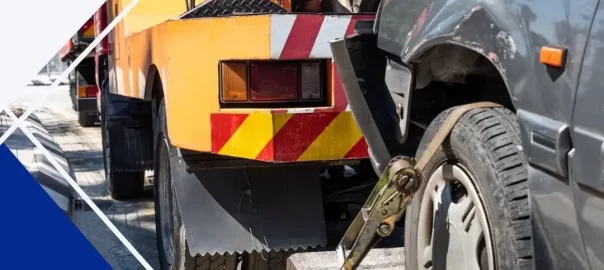
When accidents happen or vehicles break down in dangerous locations, emergency towing becomes essential for keeping roads safe and clear. Wrecker trucks are often the unsung heroes of these situations. These specialized tow trucks are designed not only to move disabled vehicles but also to provide safe and efficient recovery in challenging conditions. Whether it’s clearing a busy highway after a collision or retrieving a car from a roadside ditch, wrecker trucks play a vital role in restoring order and ensuring driver safety.

What Are Wrecker Trucks?

Wrecker trucks, often referred to as recovery trucks, are equipped with powerful winches, booms, and towing mechanisms that allow them to handle vehicles in distress. Unlike standard flatbed tow trucks, wreckers are designed for more complex scenarios where vehicles may be overturned, badly damaged, or trapped in hard-to-reach areas. Their versatility makes them essential in both everyday roadside assistance and large-scale accident recovery.

Key Roles of Wrecker Trucks in Emergencies

1. Accident Recovery
After a collision, wreckers are often the first to arrive on the scene. For example, if a semi-truck overturns on the highway, a heavy-duty wrecker can safely upright and remove the vehicle. This quick action prevents further accidents and restores traffic flow.

2. Vehicle Recovery from Difficult Terrain
Wreckers are equipped with winch systems capable of pulling vehicles out of ditches, mud, snow, or steep embankments. This ability is crucial in rural areas or during harsh weather when cars can easily become stuck.

3. Towing Damaged or Disabled Vehicles
Not all towing jobs are straightforward. A wrecker can tow vehicles that are too damaged for standard towing methods. For instance, after a severe crash, a wrecker can lift and remove a vehicle that has lost wheel functionality.

4. Supporting Public Safety
Beyond towing, wreckers contribute to overall safety by removing hazards from the road. A stranded vehicle can cause traffic congestion or secondary accidents, and wreckers help minimize these risks.

Wrecker trucks are more than just towing vehicles—they are essential tools for emergency towing and accident recovery. Their ability to handle damaged, overturned, or trapped vehicles makes them indispensable for keeping roads safe and clear. For drivers, this highlights the importance of relying on professional towing services equipped with specialized trucks. The next time you see a wrecker in action, remember it’s not only moving a car—it’s ensuring safety, preventing risks, and restoring order on the road.

Share Button
emergency towing

How GPS Tracking Improves Emergency Towing Response Times

When your vehicle breaks down on a busy highway or during harsh weather, waiting for help can feel like an eternity. In these stressful situations, fast response times are critical—not just for convenience but for safety. That’s where GPS tracking comes in. Modern towing companies are increasingly adopting GPS technology to improve efficiency, speed, and reliability. This innovation is transforming emergency towing services and ensuring drivers get assistance when they need it most.

The Role of GPS in Emergency Towing

GPS (Global Positioning System) uses satellite data to provide real-time location tracking. In towing operations, this allows dispatchers to see exactly where each tow truck is at any given moment. Instead of relying on phone calls or rough estimates, GPS gives precise information that helps allocate the nearest available truck to a stranded driver. This cuts down valuable minutes, which can make a big difference in urgent scenarios.

Key Benefits of GPS Tracking

1. Faster Dispatching
One of the biggest advantages of GPS tracking is speed. For example, if a driver’s car breaks down on a major freeway, the dispatcher can instantly identify the closest tow truck and send it directly to the location. This eliminates guesswork and reduces overall wait times.

2. Improved Communication
GPS systems often integrate with mobile apps or communication platforms. Drivers requesting service can get real-time updates on arrival times, creating peace of mind. Meanwhile, tow truck operators receive precise directions, avoiding delays caused by traffic or wrong turns.

3. Enhanced Safety
Quicker response times don’t just mean faster service—they also improve safety. A stalled vehicle on a shoulder or in a traffic lane can be hazardous. By arriving sooner, towing teams help clear the road faster, reducing the risk of secondary accidents.

4. Data-Driven Efficiency
Over time, GPS tracking provides valuable data for towing companies. By analyzing response times, routes, and peak demand hours, businesses can optimize their operations and further improve service quality.

GPS tracking has revolutionized emergency towing by ensuring quicker, safer, and more reliable responses. From faster dispatching to real-time communication, the technology benefits both drivers in distress and the towing companies serving them. For motorists, this means shorter wait times and greater safety on the road. For towing providers, it’s an essential tool for building trust and efficiency. The next time you call for roadside help, know that GPS may be the silent partner ensuring assistance gets to you faster than ever before.

Share Button
emergency towing

Why a Winch System is Crucial for Emergency Towing and Recovery

When vehicles break down, slide off the road, or get stuck in difficult conditions, towing professionals rely on more than just horsepower. One of the most essential tools in emergency towing and recovery is the winch system. Strong, reliable, and versatile, winches are the unsung heroes that make it possible to rescue vehicles from situations where standard towing methods would fall short. Understanding why a winch system is so crucial can help you appreciate the safety and efficiency it brings to roadside assistance.

What is a Winch System?

A winch is a mechanical device equipped with a strong cable or rope wound around a drum, powered either hydraulically or electrically. When activated, it applies controlled pulling force, allowing operators to recover vehicles that are stuck, overturned, or located in hard-to-reach places. Unlike traditional towing methods that depend solely on lifting and dragging, a winch provides precision and power for complex recoveries.

Key Benefits of Winch Systems

1. Safe Vehicle Recovery
Safety is the top priority during any towing operation. Winch systems minimize the risk of additional damage to vehicles by providing steady, controlled pulling. For example, a car that has slid into a ditch can be safely recovered without aggressive dragging that could harm its frame or suspension.

2. Access to Difficult Locations
Accidents don’t always happen on wide, open roads. Vehicles may end up in ditches, steep embankments, or muddy areas where traditional tow trucks cannot reach. With a winch system, operators can extend the cable and pull vehicles from these challenging positions without endangering themselves or the equipment.

3. Versatility in Emergencies
Winches are not limited to cars—they are powerful enough to handle large trucks, buses, or construction equipment. This makes them indispensable in a wide range of emergencies, from highway accidents involving tractor-trailers to off-road recoveries in remote areas.

4. Efficiency and Speed
Time matters during roadside emergencies, especially on busy highways where blocked lanes can create additional hazards. A winch system enables quick and effective recoveries, helping restore traffic flow and reduce the chances of secondary accidents.

A winch system is more than just a tool—it is a lifeline in emergency towing and recovery. Its ability to safely, efficiently, and effectively recover vehicles from difficult situations makes it indispensable for towing professionals. The next time you see a tow truck using a winch, remember that this system is not only pulling a vehicle—it’s ensuring safety, reducing risks, and restoring order on the road. For drivers, this is a reminder of the importance of professional towing services equipped with the right tools to handle any emergency.
Share Button
emergency towing

Wheel Lift vs. Flatbed: Which is Better for Emergency Towing?

When your vehicle breaks down unexpectedly, choosing the right towing method can make a big difference in safety, cost, and damage prevention. In emergency towing, two of the most commonly used methods are wheel lift towing and flatbed towing. But which one is better? The answer depends on the situation, vehicle type, and the distance to be towed. Let’s break down the key differences and help you decide which option suits your needs best.

Read More →
Share Button