When a vehicle breaks down or is involved in an accident, one of the first calls drivers make is to a towing service. However, not all towing situations are the same. The type of tow truck required depends heavily on the size, weight, and condition of the vehicle. In emergency scenarios, knowing the difference between heavy duty towing and standard towing can help ensure safety, minimize risks, and get the right assistance as quickly as possible.
Understanding Standard Towing
Standard towing is typically designed for smaller, lighter vehicles such as cars, SUVs, or motorcycles. These tow trucks use wheel lifts or flatbeds to transport vehicles efficiently. For example, if a sedan breaks down due to a dead battery or a flat tire, a standard tow truck can safely move it to a repair shop. Standard towing is reliable, affordable, and widely available, making it the go-to option for everyday roadside emergencies.
When Heavy Duty Towing Is Necessary
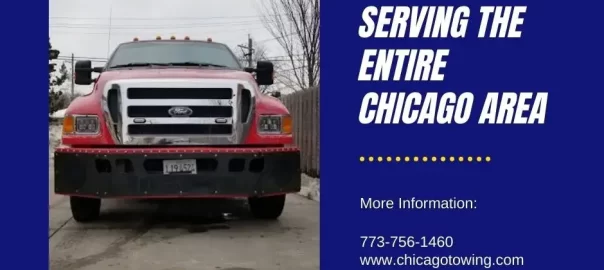
Heavy duty towing, on the other hand, is specifically equipped to handle oversized vehicles like semi-trucks, buses, RVs, and construction machinery. These vehicles can weigh tens of thousands of pounds and require specialized tow trucks with reinforced underlifts, hydraulic systems, and powerful winches. For instance, if a loaded tractor-trailer jackknifes on the highway or a charter bus experiences engine failure, only a heavy duty towing provider has the tools and expertise to manage the situation.
Key Differences in Emergency Scenarios
The main difference lies in capacity and capability. Standard towing is quick and effective for personal vehicles, but attempting to tow a heavy-duty vehicle with the wrong equipment can cause further damage or create safety hazards. Heavy duty towing ensures that large vehicles are moved safely, preventing traffic congestion and reducing the risk of secondary accidents. Additionally, heavy duty operators are trained to handle complex recoveries, such as rollovers or vehicles stuck in difficult terrain—scenarios far beyond the scope of standard towing.
Why Choosing the Right Service Matters
Calling the wrong towing service in an emergency can waste valuable time and increase risks. For businesses that rely on large fleets, delays can also translate into financial losses. By understanding the distinction between heavy duty and standard towing, drivers and fleet managers can make informed decisions, ensuring the right response when emergencies strike.
Both standard and heavy duty towing have critical roles in keeping roads safe and vehicles moving. Standard towing is ideal for everyday car troubles, while heavy duty towing is essential for larger vehicles and complex emergencies. Being prepared means knowing which service to call when the unexpected happens. The next time you face a roadside emergency, remember: choosing the right towing option is not just about convenience—it’s about safety, efficiency, and peace of mind.
