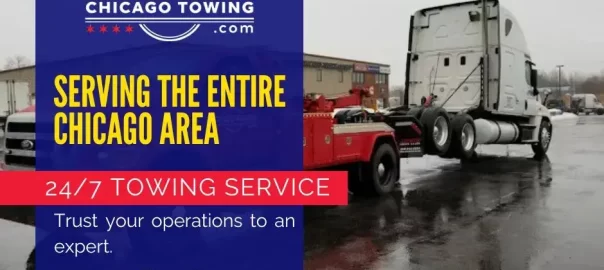
In Chicago, seasons don’t just change the scenery; they rewrite the playbook for heavy duty towing. The lakefront can whip up a whiteout in minutes, spring thaws turn jobsite edges to soup, and summer construction reroutes the lifelines of freight. Staying ahead of these shifts is how professional operators keep buses, box trucks, and semis moving safely from the Far South Side to Rogers Park. Here’s how the calendar shapes recovery strategy and what that means for fleets that depend on tight schedules.
Winter Challenges: Ice, Wind, and Traction
Winter demands traction planning and visibility control. On the Kennedy and the Dan Ryan, black ice forms first on bridges and shaded ramps. Operators anticipate this by choosing rigging angles that reduce sudden loads and by placing trucks to shield the work area from inattentive drivers. Heated defrost and scene lighting become as essential as shackles and straps. The result is fewer surprises and safer uprights even when the wind is biting in from the lake.
Spring Conditions: Thaw, Mud, and Soft Shoulders
Spring trades ice for instability. As pavement heaves and jobsite shoulders soften, heavy vehicles can sink just enough to trap a drive axle. Recovery teams respond with ground protection, careful winching, and slow transfers that preserve the vehicle’s frame. Knowing which alleys and side streets can bear the weight in older neighborhoods keeps the tow efficient and respectful of local infrastructure.
Summer Congestion and Heat Stress
Summer brings heat and congestion. Tires and cooling systems are stressed, and work zones squeeze lanes. Operators plan approach routes that avoid low clearances and temporary lane shifts, and they carry extra fluids and tools to manage roadside hiccups safely. Communication with agencies around festival routes or ballpark traffic prevents recovery scenes from colliding with event schedules.
Autumn Visibility and Early Frost Adjustments
Autumn is the transitional test. Leaves hide slick spots, early frosts surprise overnight drivers, and daylight dwindles during evening rush. Heavy duty teams tune their response with enhanced lighting and more conservative rigging angles. They also review route options around school zones and construction wraps, because a few weeks can change which streets flow freely.
In the middle of any season, one principle stays constant: dependable heavy duty towing protects people, equipment, and schedules. Preparation and local knowledge convert unpredictable weather into manageable variables.
For fleets, the practical takeaway is planning. Schedule seasonal check-ins with your towing partner, update contact trees, and align on preferred destinations for after-hours drops. Share route quirks your drivers notice—like a ramp that ices early or a detour with tight turns—so the next response is even smoother.
FAQs
What changes most in winter recoveries?
Traction and visibility. Operators choose conservative rigging angles, protect scenes aggressively, and expect longer braking distances from passing traffic.
How can fleets prepare for spring?
Note soft shoulders and unstable surfaces at docks and jobsites. Sharing those details with your tow partner helps them stage the right equipment.
Are summer events a towing factor?
Yes. Festivals and game days compress lanes and complicate staging. Coordination prevents delays and keeps recoveries efficient.
Why does local knowledge matter in fall?
Early frosts and leaf cover create unique hazards on specific stretches. Operators who know those patterns can place equipment and shield scenes more effectively.
If you want year-round confidence on Chicago roads, partner with local experts in heavy duty towing. We’re ready for every season, every corridor, and every challenge so your schedule stays on track.
