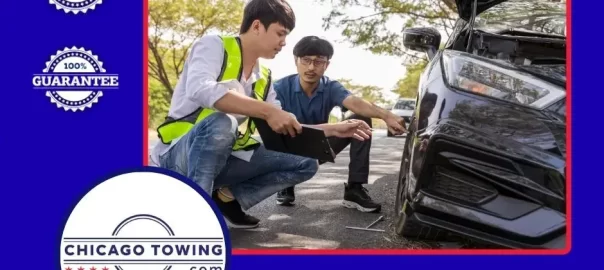
When an emergency leaves you stranded, the options you choose in the first minutes can influence your safety and the outcome. Chicago’s roadside assistance landscape includes mobile technicians, tow services, and specialized units prepared for heavy-duty recoveries. Understanding the distinctions between emergency responses—hazardous incident extraction, standard towing, or on-site repairs—enables drivers to request the appropriate level of help. Reliable dispatch centers triage calls, prioritize incidents that pose public safety risks, and route the correct vehicle and crew to the scene. If you have not yet selected a provider, identifying local firms with strong emergency protocols and clear dispatcher communication is an important safety step. Many seasoned drivers keep the contact for a local provider such as roadside assistance available, so they can select the correct emergency option without delay.
Types of Emergency Responses
Different emergencies require different resources: a stalled car at the edge of a highway demands rapid towing and traffic control, while a flat tire in a quiet residential area may be remedied on site. Providers coordinate with emergency services when incidents involve debris, injuries, or significant obstruction. When calling for help, clarify whether the vehicle is in a traffic lane, whether anyone is injured, and any environmental hazards present. This helps dispatch send the proper equipment—ranging from a standard tow truck to a heavy-duty wrecker designed for larger vehicles or complex recoveries.
Safety Protocols and Communication
Clear, calm communication with dispatch reduces confusion and improves response efficiency. Provide accurate location details, a concise description of the vehicle’s condition, and any relevant safety concerns. Expect the dispatcher to give immediate safety instructions, which may include moving away from traffic or turning the engine off. Technicians arrive equipped for the scene type they are assigned, and reputable providers ensure that crews have radios and navigation systems to coordinate arrival and handoff with other responders if necessary.
For drivers seeking to prequalify emergency service providers, a brief conversation about their triage policies and availability during high-demand periods can be informative. Confirm whether they prioritize emergency scenes based on risk, and ask how they coordinate with traffic enforcement or emergency services when public safety is at stake.
Keeping the contact for a dependable local resource is a practical step toward readiness: for many Chicago drivers, a quick review of local emergency assistance options—starting at a trusted provider page like roadside assistance—offers clarity before an unexpected event occurs.
