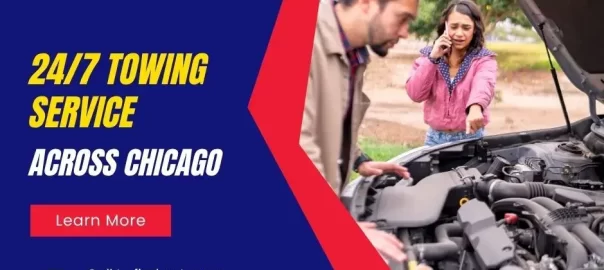
No one plans for a flat tire, dead battery, or unexpected breakdown—but every driver knows they can happen at any moment. In those stressful situations, having roadside assistance is a major relief. Yet, while help is on the way, your safety depends on the precautions you take and the equipment you carry. Roadside assistance and safety gear complement each other perfectly—one provides expert support, while the other ensures protection until that help arrives.
1. The Role of Roadside Assistance
Roadside assistance is a lifeline for stranded motorists. Most services cover common issues such as towing, tire changes, fuel delivery, and jump starts. For example, AAA reports handling over 30 million roadside calls annually, many of which involve simple problems that can be quickly resolved. However, even the fastest service takes time to reach you—especially in remote areas or during bad weather. That’s when having proper safety gear becomes essential.
2. Safety Gear: Your First Line of Defense
While roadside assistance provides peace of mind, your safety gear provides immediate protection. Reflective warning triangles and high-visibility vests make you visible to other drivers, reducing the risk of secondary accidents. A flashlight helps you inspect your car at night or signal for help. A first aid kit can treat minor cuts or scrapes, while an emergency blanket keeps you warm during long waits.
Consider this scenario: your car breaks down on a dark rural highway. Roadside assistance is on the way, but visibility is poor. Setting up reflective triangles and wearing a bright vest could prevent a collision long before help arrives.
3. Working in Harmony for Safer Journeys
Together, roadside assistance and safety gear form a complete safety system. The gear protects you in the critical first moments, while assistance professionals handle the mechanical problem. Drivers who combine both are better prepared for emergencies and can remain calm and confident in stressful situations.
Roadside assistance alone isn’t enough—safety gear fills the gap between breakdown and rescue. By keeping essentials like reflective gear, a flashlight, and a first aid kit in your car, you transform an unpredictable situation into a manageable one.
Be proactive. Check your roadside assistance plan, restock your emergency kit, and make sure your safety gear is ready for the road ahead. Preparedness doesn’t just prevent inconvenience—it can save lives.
