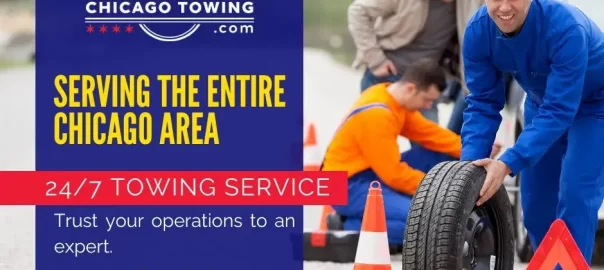
Flat tires are one of the most common problems drivers encounter, and in a busy city like Chicago, Illinois, they tend to happen at the worst possible moments. You might be merging onto the Kennedy, navigating a narrow neighborhood street, or parallel parking downtown when you suddenly hear that unmistakable thump-thump or feel the car pull to one side. In those moments, having access to dependable roadside assistance in Chicago can mean the difference between a stressful ordeal and a relatively quick, safe solution.
Chicago’s streets are tough on tires. Potholes form after harsh winters, construction debris appears near work zones, and everyday wear from stop-and-go urban traffic takes its toll. Even careful drivers cannot completely avoid nails, glass, or rough patches of pavement. While changing a tire might seem straightforward in theory, doing it safely on a busy road or in poor weather conditions is a very different experience. Professional roadside assistance for flat tires gives you an expert ally who can handle the physical work and safety measures while you stay out of harm’s way.
Common Causes of Flat Tires Around Chicago
Understanding why flat tires happen so often in Chicago can help you appreciate the value of having help available. Potholes are a major culprit. The freeze-thaw cycle common in Midwest winters creates cracks and holes in asphalt, and hitting one at the wrong angle or speed can pinch your tire sidewall or damage the wheel itself. Even smaller potholes encountered repeatedly during commutes wear down tire structure over time.</p>\n<p>Construction zones also pose risks. With constant development and maintenance on highways and side streets alike, nails, screws, and sharp metal fragments sometimes end up on the road surface. One unlucky pass can lodge debris deep into your tire, causing a slow leak that suddenly becomes a full flat when you least expect it. In addition, curbs and tight parking spaces across Chicago’s neighborhoods can lead to sidewall damage if a tire scrapes too hard.
Finally, temperature swings affect tire pressure. Cold spells can cause pressure to drop, making tires more vulnerable to damage and blowouts. Hot summer days can lead to overinflated tires that are more likely to fail when hitting rough patches. All these factors combine to make flat tires an everyday reality for local drivers.
Why Professional Help Beats DIY Flat Tire Changes
Many vehicles come equipped with basic tools and a spare tire, but changing a tire yourself is not always the best choice, especially in an urban environment like Chicago, Illinois. First, there is the safety concern. Jacks must be placed on level, stable ground, which is not always available on the side of a busy expressway or a sloped street. Trying to lift your car while traffic rushes by just a few feet away can be nerve-racking and dangerous.
Second, not everyone has the physical strength or experience to handle stuck lug nuts, heavy wheels, and low-clearance vehicles. Modern cars sometimes have specialized lug nut designs or limited spare tire options, which can complicate the process. A roadside assistance professional changes flat tires every day and knows what to look for to avoid damage to your vehicle while working quickly and efficiently.
Third, the weather often works against you. Changing a tire in freezing wind, driving rain, or oppressive summer heat is not ideal. A trained technician can arrive with the right tools and protective gear, minimizing the time spent exposed to the elements. When you call for roadside assistance in Chicago, you are choosing convenience, safety, and expertise over guesswork and risk.
How Flat Tire Roadside Assistance Works in Practice
When you discover a flat tire, the first step is to move to a safe location if possible. Signal and slowly pull onto a shoulder, into a parking lot, or to the side of a quieter street. Once you are out of immediate danger, you can contact a local roadside provider. You will typically be asked for your location, vehicle description, and a brief explanation of the problem, such as whether the tire is completely flat, blown out, or slowly losing air.
The roadside technician will arrive with the tools needed to change the tire or assist with your spare. They will position the jack correctly, loosen the lug nuts, remove the damaged tire, and install the spare according to the manufacturer’s specifications. If your vehicle is equipped with a temporary “donut” spare, they will remind you that it is meant for short distances and lower speeds so you can drive to a repair shop safely.
In cases where the damage is more severe—for example, if multiple tires are affected or the wheel itself is compromised—roadside assistance may recommend a tow rather than a simple change. Their goal is always to get you moving again safely, whether that means a roadside fix or arranging further service.
Preventive Tips to Reduce Flat Tire Risks in Chicago
While no driver can avoid every hazard, there are practical steps you can take to reduce the risk of flat tires. Regularly check your tire pressure, especially during seasonal changes, to ensure it matches your vehicle’s recommended levels. Properly inflated tires handle potholes and rough surfaces better and are less prone to blowouts. Many gas stations around Chicago have air pumps, and newer vehicles often include pressure monitoring systems that alert you when levels are off.
Inspect your tread for signs of uneven wear, bulges, or embedded debris. If you notice nails or screws lodged in the rubber, have a professional inspect and repair the tire before it fails on the road. Rotating your tires according to your manufacturer’s guidelines helps distribute wear evenly, extending tire life and performance. Staying alert for potholes and debris—especially after storms or during construction season—also reduces your risk.</p>\n<p>Despite your best efforts, flats can still happen. That is why having a plan for who to call and what to do is so important. When you know that professional help is available, you can focus on driving safely rather than worrying about every bump you encounter.
Frequently Asked Questions About Flat Tire Roadside Assistance in Chicago
Drivers across Chicago, Illinois, often have questions about what to expect from flat tire roadside services. Clear answers can help you feel more prepared if a flat occurs.
How long does it usually take for help to arrive after a flat tire?
Response times vary depending on your location, traffic, and weather conditions. In general, local providers aim to reach drivers as quickly as possible. Being in a densely populated area can sometimes shorten response times, but rush hour and severe weather may cause delays. Dispatchers will give you a realistic estimate so you know what to expect.
Do I need to have a spare tire for roadside assistance to help?
While having a spare tire makes the process simpler, roadside technicians can still assist if you do not have one. They may help temporarily reinflate a tire with a slow leak, recommend a safe option for short-distance travel, or arrange a tow to a nearby tire shop where a replacement can be installed. The exact solution depends on the extent of the damage and your specific vehicle.
Is it safe to drive on a donut spare around Chicago?
Donut spares are designed for limited use. They are generally safe for short distances at reduced speeds, giving you enough time to reach a repair facility. Because they are smaller and not built for extended driving, it is important to follow the guidelines in your owner’s manual and schedule a full tire repair or replacement as soon as possible.
What should I do if I get a flat tire on a Chicago expressway?
If you suspect a flat on an expressway, avoid sudden braking or sharp steering. Gradually reduce your speed and move to the shoulder or nearest safe exit. Turn on your hazard lights and remain in the vehicle if traffic is heavy. Contact roadside assistance and share your exact location, such as the expressway name, direction of travel, and the closest exit or mile marker, so help can find you quickly.
Can roadside assistance help if more than one tire is damaged?
Yes, roadside providers can still help if multiple tires are damaged, but the solution will often involve a tow rather than a simple tire change. Technicians will assess the situation and explain your options, focusing on your safety and the condition of your vehicle. They will help you reach a repair shop where more extensive work can be carried out.
Get Help for Flat Tires Anywhere in Chicago, Illinois
From downtown streets to neighborhood roads and busy expressways, flat tires can happen anywhere in Chicago, Illinois. Instead of tackling the problem alone, trust experienced professionals who handle these issues every day. With reliable roadside assistance in Chicago, you can get fast, safe help when a tire fails, allowing you to focus on your plans instead of the unexpected setback. Make sure you know who to call before your next drive, so you are prepared whenever a flat tire catches you off guard.
