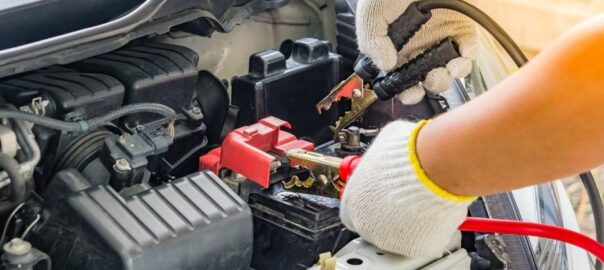
In an age where electric vehicles (EVs) are becoming more common, many drivers wonder how jump starting works across different vehicle types. While a vehicle jump start is a familiar fix for traditional gas-powered cars, the process and purpose differ significantly for EVs. Knowing the right approach for each type of vehicle can help you avoid damage and get back on the road safely.
Jump Starting a Gas Vehicle: A Common Practice
Gasoline-powered vehicles rely on a standard 12-volt battery to start the engine. When this battery is drained—due to leaving headlights on, extreme temperatures, or battery age—a jump start from another vehicle or a portable jump starter is usually enough to get things going.
The process involves connecting jumper cables from a working car’s battery to the dead one. After a few minutes, the charged battery should allow the engine to start. Once running, the alternator takes over and recharges the battery. This method has been a reliable roadside solution for decades and remains standard for most gas vehicles.
Jump Starting an Electric Vehicle: Proceed With Caution
Electric vehicles operate very differently. While they also contain a 12-volt battery used to power accessories and onboard systems, the motor runs on a high-voltage lithium-ion battery pack. If the 12-volt battery dies, the EV may not turn on—even though the main drive battery is fully charged.
You can jump start an electric vehicle’s 12-volt battery using a traditional method (with another car or jump starter), but you must never attempt to jump start from an EV. EVs are not designed to provide the necessary power for another vehicle and doing so could damage the EV’s systems.
Additionally, always refer to the manufacturer’s instructions before jump starting any EV, as some models have special procedures or built-in safety systems.
Safety Tips and Best Practices
Regardless of the vehicle type, proper technique is essential for a safe vehicle jump start. Use quality jumper cables, connect the cables in the correct order, and avoid touching the clamps together. For EVs, confirm that jump-starting is safe for your make and model and avoid using the high-voltage system.
If you’re unsure or uncomfortable jump starting a vehicle, call for professional roadside assistance to avoid injury or damage.
In conclusion, understanding the differences between jump starting electric and gas vehicles is essential in today’s evolving auto landscape. Whether you’re driving a sedan or an EV, knowing how to handle a vehicle jump start safely can save you from unexpected setbacks and costly mistakes.
