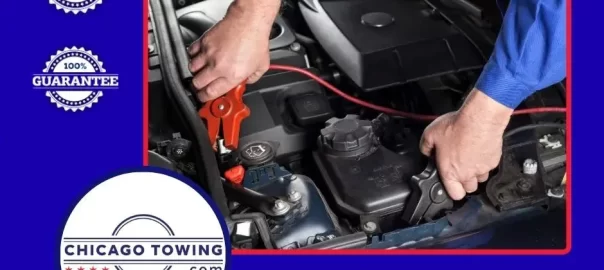
Chicago, Illinois drivers live through four distinct seasons, and each one has its own way of testing your battery. People often associate jump starts with winter, and for good reason, but seasonal needs go beyond one cold morning. Understanding how the calendar affects your vehicle helps you plan smarter and respond calmly when you need a vehicle jump start in the middle of a busy day.
Winter Jump Start Challenges in Chicago
Winter in Chicago is the headline season for dead batteries. Cold reduces the chemical activity inside the battery, which means less available power right when the engine needs more effort to turn over. If your battery is already aging, a sudden temperature drop can be the moment it finally says no. Add street parking, wind chill, and snow buildup around the vehicle, and the situation can feel urgent fast. In winter, the need for a jump start is often tied to safety. You may be stuck outside longer than you expected, or you may be trying to start the car in a place where standing near traffic feels risky.
Summer Heat and Hidden Battery Wear
But winter jump start needs also come from the way people use their cars. In cold weather, drivers run heated seats, rear defrosters, and blowers at high settings. Those loads matter. If you’ve been doing short trips around the city, the alternator may not have had time to keep up with what the battery is providing. The result is a battery that becomes weaker day by day, until one morning you get a click instead of a start. Winter in Chicago is less forgiving of small deficits.
Spring brings a different pattern. After a long winter, drivers may discover that their battery was damaged by repeated cold stress and is now near the end of its life. Spring can also involve more rain, which can make working under the hood unpleasant and can reduce visibility. In Chicago, spring weather changes quickly, and if your car dies during a storm, the need for a jump start becomes a matter of getting out of the rain and back into safety. Spring is also a season when people start driving more, which can reveal charging issues that were hidden during less frequent winter use.
Summer jump start needs can surprise drivers. Heat accelerates battery aging and can evaporate fluid in some battery types over time. The car may start fine most days, until a hot afternoon after multiple errands, heavy air conditioning, and plenty of accessory use pushes a tired battery over the edge. Chicago’s summer traffic can be slow, and idling with the air conditioner running may not help the battery recover if it’s already weak. Summer jump starts often happen in parking lots after events, shopping trips, or long days when the vehicle has been stopped and started repeatedly.
Fall Warning Signs Before the First Deep Freeze
Fall is a transition season that creates its own jump start story. Temperatures begin to drop, but not enough to scream “winter,” so drivers often underestimate the effect. A battery that was weakened in summer may struggle as the first cool mornings arrive. Fall is also when people start using defrosters and heated features again. In Chicago, the first real cold snap in late fall is famous for catching drivers off guard. The seasonal need here is preparedness. If your car cranks slowly once in October or November, it’s often a hint that winter could bring a no-start day if nothing changes.
Across all seasons, Chicago’s city driving adds a consistent factor: short trips and frequent stops. In any season, short trips can prevent the battery from recharging fully. The alternator needs time, and in a dense city you may not get it. The seasonal difference is how much margin the battery has. In mild weather, the battery can tolerate being slightly undercharged. In winter, that margin disappears. This is why seasonal awareness matters, especially for drivers who don’t do long highway drives regularly.
Midway through the year, many people also change routines. Summer travel, weekend trips, or periods of working from home can leave a car sitting for days. A vehicle that sits can lose charge, especially if it has small draws from electronics. In Chicago, a car might sit during a heat wave, a snowstorm, or a string of rainy days. When you return, the car may not start. Seasonal jump start needs often come from inactivity just as much as they come from harsh temperatures.
Seasonal Habits That Increase Battery Drain
This is where a dependable vehicle jump start option becomes part of seasonal readiness. The goal is not only to restore power but to help you get through the immediate moment and then make a smart next move. After a jump, you may choose to drive longer than usual to help recharge, or you may decide to have the battery tested if it’s showing repeated weakness. In winter, you may prioritize moving the car to a sheltered place. In summer, you may focus on avoiding repeated stops until the battery stabilizes.
Seasonal needs are also about where you are when the battery dies. During winter, it might happen on a street narrowed by snowbanks. In summer, it can hit in a crowded lot near the lakefront or outside a festival. Spring breakdowns often show up during a downpour, when visibility and comfort drop fast. By fall, it may happen in the early morning before the city fully wakes up. Chicago’s variety of settings shapes how stressful the moment feels. The consistent goal is to get the vehicle started safely and reduce the time you spend exposed to weather or traffic.
Another seasonal factor is battery age relative to weather cycles. Many batteries fail not because of one dramatic event but because they’ve been stressed repeatedly across seasons. A hot summer accelerates aging, then winter demands maximum output. If the battery is borderline, the first deep freeze reveals it. Drivers who think seasonally are more likely to notice the early signs and treat a jump start as a warning that it’s time to evaluate the battery rather than wait for the next failure.
Make the Battery Part of Your Chicago Seasonal Maintenance
Chicago’s seasonal maintenance culture is real, and batteries deserve a place in it. People swap to winter tires, check antifreeze, and prepare emergency kits. The battery is just as critical. If you’ve ever experienced the frustration of a no-start morning when the streets are slick and time is tight, you already know how important it is. Seasonal awareness helps you reduce that risk, but it also helps you respond calmly when it does happen.
After any seasonal jump start, pay attention for the next few days. Notice how quickly the car starts, whether the lights dim at idle, and whether electronics behave normally. In winter, slow cranking after a jump can mean the battery is still weak. In summer, a jump followed by another failure after a short stop can point toward a battery that can’t hold charge. These observations matter in Chicago because repeated stops are part of city life, and you don’t want to be stranded again in a worse moment.
Seasonal jump start needs in Chicago, Illinois are really about rhythm. The city’s weather changes, people’s routines shift, and vehicles respond. When you understand that rhythm, you can treat a jump start as more than a quick fix. It becomes part of keeping your life moving through every season the city throws at you.
FAQ
Why do batteries fail more in winter in Chicago, Illinois?
Cold reduces battery output and increases the effort required to start the engine. Weak batteries that seemed fine in mild weather can fail in deep cold.
Can summer heat cause winter no start problems?
Yes. Heat can age the battery over time, reducing performance that becomes obvious when winter demands higher starting power.
What should I do right after my car starts from a jump?
Let it stabilize and avoid shutting it off immediately. If possible, drive in a way that allows the charging system time to restore power.
Why does my battery die after the car sits for a few days?
Batteries can self-discharge, and small electronic draws can drain them over time. Inactivity combined with a weak battery makes no-start moments more likely.
Is slow cranking in fall a warning sign?
Often yes. Fall temperature drops can reveal a battery that is losing strength, which may lead to winter failures if the battery continues to weaken.
Season Ready Help in Chicago, Illinois
If a seasonal change has caught your battery off guard, don’t let a no-start moment ruin your day. Use a trusted vehicle jump start option in Chicago, Illinois to get moving again, then take the next step to keep your vehicle reliable through the rest of the season.
