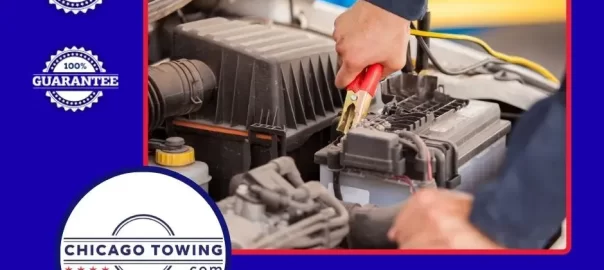
Chicago, Illinois drivers are seeing changes in how battery problems show up and how jump starts fit into everyday life. What used to be a simple story of “old battery in cold weather” has become more layered. Cars are smarter, accessory loads are heavier, and driving patterns in a dense city have shifted. The result is a set of trends that make a dependable vehicle jump start more relevant than ever for local motorists.
Higher Electrical Demand in Today’s Vehicles
One trend is the increasing electrical demand inside vehicles. People charge multiple devices, run navigation screens constantly, power dash cams, and use heated seats and steering wheels as soon as the temperature drops. Chicago weather encourages that. The more electrical load your car supports, the more your battery has to do, especially during short trips where the alternator doesn’t have enough time to fully replenish power. This trend makes batteries feel like they “suddenly” fail, but the reality is that they are being asked to work harder all year.
Another trend is the rise of start-stop technology and more complex battery management systems. Many newer vehicles monitor battery health and regulate charging differently than older cars. In some cases, a battery that is slightly weak can trigger start-stop to disable itself or can cause the vehicle to behave inconsistently. Chicago drivers often notice this first in heavy traffic, where start-stop is most active. The jump start trend here is that getting the car started is only part of the story. Understanding that the battery’s condition affects multiple systems is becoming more important.
Chicago motorists are also dealing with a trend in driving patterns that are tougher on batteries: shorter, more frequent trips. A quick drive from Uptown to Lincoln Park, then to a store, then back home, may never give your charging system the sustained time it needs. Add idling during traffic backups and the battery doesn’t always recover as expected. The battery can be drained in small increments without the driver noticing until one day the car won’t start. This trend is especially common for people who work from home part-time and drive only for errands and social plans.
Start Stop Systems and Battery Management Changes
A related trend is the shifting use of cars as mobile offices. People sit in their vehicles while waiting to pick someone up, take calls, or check messages, sometimes with the ignition in accessory mode. In Chicago, that might happen outside a school pickup zone, near a busy restaurant in West Town, or while waiting for a friend to come down from an apartment building. Accessory mode can drain a battery faster than many drivers realize, especially if the battery is already aging. This behavior trend directly increases the need for jump starts.
Weather remains a major trend driver, but the story is broader than winter alone. Chicago winters are still the biggest “stress test” for batteries, but summer heat contributes to battery aging behind the scenes. Heat speeds up chemical wear inside the battery, and over time, that reduces cold-cranking performance. The trend is that batteries often fail in the first deep freeze, but the damage may have been accumulating during hot summers and stop-and-go traffic. Drivers who understand this trend are more likely to treat a jump start as a warning sign rather than a random inconvenience.
Another trend affecting Chicago motorists is the growing number of vehicles parked outdoors year-round. Street parking is common, and not everyone has a garage. Outdoor parking exposes batteries to temperature extremes and to longer periods of inactivity when snowstorms make people avoid driving. A car that sits for several days during a storm cycle can lose charge, and when the driver returns, it may not start. This trend shows up every winter when the city experiences consecutive cold nights or heavy snowfall. Jump starts become a routine part of getting back to normal.
Vehicle design trends also matter. Battery placement can be less accessible, and some vehicles have jump points that aren’t obvious. That leads to more situations where drivers are unsure how to proceed. In Chicago’s tight spaces, that uncertainty can be stressful. The trend is moving away from casual do-it-yourself jumps in favor of careful assistance that fits the vehicle’s design and avoids trial-and-error in a parking spot.
Seasonal Patterns Driving More Jump Start Calls
There’s also a trend in how quickly people need solutions. Chicago’s pace is fast, and many drivers can’t afford to lose hours. Between work commitments, parking restrictions, and the simple need to get home safely, the priority is often speed and reliability. Jump start needs are becoming more urgent, not because batteries are worse, but because city life leaves less room for delays. That urgency is especially clear during rush hour, on days with heavy precipitation, or when events and road closures add complexity.
Midway through a typical Chicago winter day, you might see another trend: the impact of repeated cold starts. Drivers may start their car multiple times, running brief errands between stops. Each start draws heavily from the battery, and if each trip is short, the alternator never fully restores what was used. Over time, the battery gradually falls behind. The trend is that the “final straw” looks sudden, but it’s really the result of repeated small deficits. A jump start gets you moving again, but the underlying trend suggests the battery may not be recovering as it should.
In the middle of these trends, having access to a reliable vehicle jump start option becomes part of how Chicago motorists adapt. It’s not just a rescue. It’s a practical response to modern driving realities. Drivers are increasingly treating jump starts as an indicator to check battery age, inspect terminals for corrosion, and pay attention to charging behavior after starting.
A trend specific to cities like Chicago is the increased use of ride shares and delivery services. Even if you’re not a professional driver, the infrastructure and traffic patterns created by these services increase congestion and idle time. For those who do deliveries or frequent trips, the vehicle experiences more starts, more stops, and more accessory use. The battery is under constant demand. The trend is that vehicles used heavily in city cycles may need more frequent battery attention, and jump starts become a more common event when maintenance lags behind usage.
How Chicago Drivers Can Adapt to These Trends
Another trend is the way people maintain their vehicles. Some drivers postpone battery replacement because the car seems fine most days. Others rely on warning lights that don’t always appear until a battery is already weak. Chicago motorists are gradually learning that batteries can fail without much warning, especially when temperatures change. The trend here is increased awareness: drivers are more likely to take slow cranking seriously, to notice headlights dimming at idle, and to pay attention when electronics reset unexpectedly. These small signals can help you avoid being stranded.
Chicago also has a trend of mixed vehicle ages on the road. New cars with advanced systems share streets with older vehicles that may have simpler electrical setups but more wear on cables and terminals. That mix means jump start experiences vary. In older vehicles, corrosion and loose connections may be the bigger issue. In newer vehicles, electronic sensitivity and battery management are key. The trend is that jump start approaches need to be adaptable and careful, rather than assuming every car responds the same way.
Finally, there’s a trend in driver expectations. People want solutions that are calm, efficient, and respectful of their time and safety. When a battery dies, drivers don’t want to improvise in the cold or ask strangers for help. They want a straightforward restart so they can get back to their day. In Chicago, where conditions can be harsh and schedules tight, that expectation is reasonable.
These trends all point to the same idea: jump starts are no longer an occasional winter annoyance. They’re part of the modern driving landscape in Chicago, Illinois. If your car needs a jump, treat it as both a solution and a signal. Pay attention to patterns, consider your driving habits, and remember that the way you respond in the moment can influence what happens next.
FAQ
Are batteries failing more often in Chicago, Illinois?
Many drivers experience more frequent no-start moments because modern vehicles and driving habits add electrical demand, and short trips may not recharge the battery fully.
Why do short trips make battery issues worse?
Each start uses a lot of power. If the drive is short, the alternator may not have enough time to restore that energy, especially in cold weather.
Does start stop technology affect battery life?
Start-stop systems rely on a healthy battery and can increase cycling. If the battery weakens, related features may behave differently and no-start risks can increase.
Should I worry if my electronics reset after a jump start?
Resets can happen when voltage drops low. If it happens often, it can be a sign the battery is weak or the charging system needs attention.
Is summer heat relevant to winter battery failures?
Yes. Heat can shorten battery lifespan over time, reducing performance that becomes obvious when winter cold demands more from the battery.
Practical Help for Chicago Illinois Motorists
If today’s driving trends have caught up with your battery, don’t let a no-start moment derail your plans. Use a dependable vehicle jump start option in Chicago, Illinois, then pay attention to the signs your car gives you so you can prevent the next surprise start failure.
