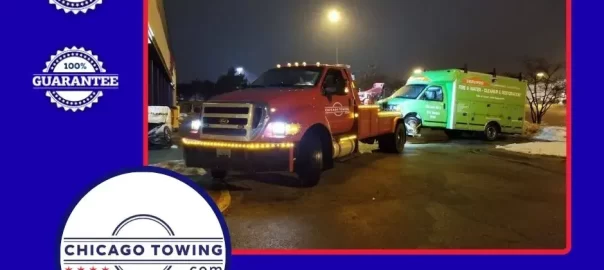
For truck owners and fleet managers in Chicago Illinois, the goal is always to keep vehicles running reliably and safely. While no one wants to think about breakdowns, planning ahead and focusing on maintenance can greatly reduce the chances of needing emergency assistance. At the same time, understanding how your maintenance habits connect to future heavy duty towing needs gives you an extra layer of protection. A well-maintained truck is easier and safer to recover if something does go wrong, and it is less likely to suffer severe damage during a breakdown.
Chicago’s mix of busy highways, neighborhood streets, and industrial routes places specific demands on heavy trucks. Stop-and-go traffic, frequent loading and unloading, and seasonal weather changes all affect vehicle systems. By tailoring your maintenance strategy to local conditions, you can extend the life of your trucks, improve safety, and make sure that if a towing situation arises, it is handled as smoothly as possible.
Staying Ahead of Engine and Cooling System Issues
One of the most important maintenance priorities for heavy trucks in Chicago Illinois is the engine and cooling system. Long idle times in traffic, climbing engine temperatures in summer, and freezing conditions in winter all contribute to wear. Regular oil changes, coolant checks, and inspections of belts and hoses are essential. Neglecting these tasks increases the risk of overheating, leaks, and sudden loss of power that may leave a truck stranded on the roadside.
Truck owners should work with trusted mechanics to establish maintenance intervals that reflect how vehicles are used, not just standard mileage recommendations. For example, trucks that perform frequent city deliveries may need more frequent checks than those on longer highway routes. When problems are caught early, repairs can be scheduled on your terms rather than during an urgent roadside event that could require heavy duty towing.
Brake System Care for City Driving
Brakes are another critical system that demand close attention in Chicago Illinois. Heavy vehicles rely on powerful braking systems to stop safely in tight urban traffic, on expressways, and in adverse weather. Regular inspections help ensure that pads, rotors, drums, and air systems are functioning properly. Mechanics can check for uneven wear, air leaks, and other signs that components may be approaching the end of their service life.
Ignoring early warning signs like unusual noises, soft pedal feel, or dashboard alerts can lead to more serious problems and dramatically increase stopping distances. In extreme cases, brake failures may force a driver to park in a hazardous location or result in an accident that requires professional heavy duty towing. Proactive brake maintenance keeps drivers, cargo, and everyone else on the road safer.
Tires, Suspension, and Chicago Road Conditions
Chicago roads are known for potholes, construction zones, and changing surfaces. Tires and suspension components take the brunt of these conditions. Regular tire inspections for tread depth, sidewall damage, and proper inflation help prevent blowouts and handling issues. Rotating tires as recommended and replacing them before they become dangerously worn can avoid sudden failures that leave a truck stopped on a busy street.
Suspension systems also deserve careful attention. Worn shocks, springs, and bushings can make trucks harder to control, especially when carrying heavy loads. Over time, neglected suspension issues can contribute to uneven tire wear and other problems. By addressing these concerns promptly, you reduce the chances of a breakdown that could require heavy duty towing and keep your trucks riding smoothly over Chicago’s challenging roadways.
Electrical Systems, Batteries, and Winter Readiness
Cold weather in Chicago Illinois places special demands on electrical systems and batteries. Low temperatures can reduce battery capacity, making it harder to start engines, especially on diesel trucks. Regular battery testing, cleaning of terminals, and inspection of wiring and connections help prevent no-start situations on frigid mornings. It is wise to replace batteries before they are at risk of failure during the coldest months.
Lighting is another important aspect of electrical maintenance. Working headlights, turn signals, brake lights, and marker lamps are essential for safety, especially during long winter nights and periods of reduced visibility. Faulty lights not only increase the risk of accidents but may also lead to enforcement stops. Keeping everything in good working order helps drivers remain visible and compliant on Chicago roads.
Preparing for Towing Before You Need It
Even with excellent maintenance, unexpected events can still occur. That is why truck owners in Chicago Illinois should plan for towing needs as part of their overall maintenance strategy. Having clear records of each vehicle’s weight, configuration, and special equipment helps ensure that the correct tow truck is dispatched if assistance is required. Keeping documentation of recent repairs and known issues can also assist towing teams and repair shops in diagnosing problems quickly.
It is also helpful to establish a relationship with a trusted heavy duty towing provider. Share information about your fleet, typical routes, and preferred repair facilities so that everyone is on the same page. When a breakdown happens, the towing company will already understand your expectations and be prepared to respond effectively. This preparation turns a stressful situation into a more manageable one, saving time and reducing the risk of additional damage.
Driver Training and Communication
Maintenance is not just about mechanical components; it also involves the people who operate the trucks. Drivers in Chicago Illinois play a critical role in identifying potential issues early. Training them to perform basic inspections, recognize warning signs, and report concerns promptly can prevent small problems from becoming major failures. Drivers should also know the proper steps to take if a breakdown occurs, including who to contact and how to keep themselves and others safe at the scene.
Open communication between drivers, maintenance teams, and fleet managers ensures that information about vehicle performance is shared quickly. When everyone understands the importance of reporting unusual noises, vibrations, or dashboard warnings, maintenance can be scheduled before a truck is forced off the road. This level of teamwork supports safer operations and reduces the need for emergency responses.
How often should heavy trucks in Chicago Illinois be inspected?
Inspection frequency depends on usage, but many fleets combine daily driver checks with scheduled professional inspections based on mileage and operating conditions. City driving and harsh weather may require more frequent attention.
Can good maintenance completely eliminate the need for towing?
While strong maintenance practices greatly reduce breakdowns, unexpected failures can still occur. Having a reliable heavy duty towing plan is a smart backup even for well-maintained trucks.
\What should drivers check before starting a route?
Drivers should look at tires, lights, fluid levels, and brakes, and listen for unusual sounds. They should also ensure all required safety equipment is on board and in good condition.
How does maintenance affect towing safety?
Well-maintained trucks are generally easier and safer to secure and move. Components such as tow hooks and attachment points are less likely to fail, helping towing professionals complete the job smoothly.
By making maintenance a daily priority and planning ahead for unexpected situations, truck owners and fleet managers in Chicago, Illinois can keep their vehicles reliable and ready for the road. Thoughtful care for engines, brakes, tires, suspension, and electrical systems dramatically reduces the risk of sudden breakdowns. At the same time, working with experienced professionals who understand heavy duty towing ensures that, if a problem does arise, your trucks will be handled carefully and efficiently, helping you return to normal operations with confidence.
