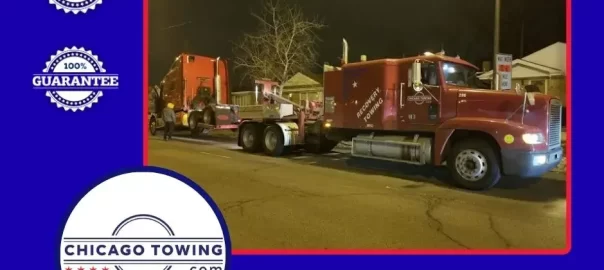
Chicago Illinois is famous for its harsh winters, with snow, ice, high winds, and freezing temperatures creating demanding conditions for drivers and vehicles alike. For operators of heavy trucks, buses, and RVs, the winter season brings a unique set of challenges that increase the likelihood of breakdowns, stuck vehicles, and accidents. Understanding how winter affects heavy duty towing needs can help drivers and fleet managers prepare, respond safely, and work effectively with professional heavy duty towing providers throughout the coldest months of the year.
Reduced traction, limited visibility, and mechanical stress from cold temperatures all contribute to winter risks. Knowing what to expect and how to plan ahead can mean the difference between a quick recovery and a drawn-out, stressful roadside situation. With thoughtful preparation and support from experienced towing professionals, you can navigate Chicago’s winter roads more confidently.
Preparing Vehicles for Cold Weather
Before the first major snowfall, it is wise for heavy vehicle owners in Chicago Illinois to perform winter-specific inspections and maintenance. Cold temperatures can thicken fluids, reduce battery performance, and make existing mechanical issues worse. Checking coolant levels and mixture, inspecting belts and hoses, and ensuring that batteries are strong and connections are clean helps reduce the risk of no-start situations and roadside breakdowns.
Winter-ready tires are also essential. Tires with adequate tread depth and proper inflation provide better traction on snow and ice. For some operations, using tires designed specifically for winter conditions can offer extra confidence. Drivers should be encouraged to monitor tire condition throughout the season, as cold weather and rough surfaces can accelerate wear and increase the risk of damage.
Driving Strategies to Avoid Winter Incidents
Even the best-prepared vehicles in Chicago, Illinois must be driven carefully in winter conditions. Heavy vehicles require more distance to stop, especially on slippery roads, so drivers should reduce speed, increase following distances, and avoid sudden acceleration or braking. Gradual, smooth inputs help maintain traction and control. Planning routes with weather and traffic reports in mind can also reduce exposure to dangerous conditions.
Drivers should be particularly cautious on bridges, highway ramps, and shaded areas where ice may linger longer than on other parts of the road. Black ice can be difficult to see, especially at night or in low light. Using headlights properly, clearing snow and ice from all windows and mirrors, and keeping windshields clean further improve visibility and safety.
When a Heavy Vehicle Becomes Stuck or Disabled
Despite careful driving and preparation, winter conditions in Chicago, Illinois can still cause heavy vehicles to become stuck in snowbanks, lose traction on icy inclines, or experience mechanical failures. When this happens, safety should be the top priority. Drivers should avoid spinning tires aggressively, which can dig deeper into snow or ice and cause further complications. Instead, they should secure the vehicle, activate hazard lights, and assess whether it is safe to exit the cab.
If the vehicle is in a dangerous location, such as an active lane or a blind curve, drivers should move to a safer area if possible and contact their dispatcher or a towing provider immediately. Professional heavy duty towing teams are equipped to handle winter recoveries, using winches, chains, and other equipment to free stuck vehicles and move them to safe locations. Their experience in Chicago’s winters allows them to choose the right techniques for each situation, reducing risk for everyone involved.
Communication With Heavy Duty Towing Providers
Clear communication is especially important during winter towing situations in Chicago Illinois. When contacting a heavy duty towing provider, drivers should provide as much detail as possible about their location, road conditions, and the nature of the problem. Mentioning whether the vehicle is stuck, disabled mechanically, or involved in an accident helps the dispatcher determine what equipment and personnel are needed.
Drivers should also note any special considerations, such as a loaded trailer, hazardous cargo, or very limited shoulder space. This information allows towing professionals to plan their approach, choose appropriate equipment, and arrive ready to work safely in challenging winter conditions. A strong working relationship built before winter starts makes this process even smoother, as providers will already be familiar with the types of vehicles and routes involved.
Protecting Drivers During Winter Breakdowns
Winter breakdowns can expose drivers to cold temperatures, wind, and snow for extended periods, so personal safety must always come first. Drivers in Chicago Illinois should keep appropriate winter clothing, gloves, and footwear in their vehicles, along with blankets and basic emergency supplies. Having water, non-perishable snacks, and a charged phone can make a big difference if waiting for assistance takes longer due to weather or traffic conditions.
Whenever possible, drivers should remain inside the cab of the vehicle, which provides some protection from the elements and reduces exposure to moving traffic. Exiting the vehicle should be done cautiously and only when necessary and safe. Reflective vests, flashlights, and warning triangles can improve visibility if drivers must be outside the vehicle for any reason.
How can I reduce the chance of needing heavy duty towing in winter?
Winter-focused maintenance, careful driving, and route planning all help. Ensure that tires, brakes, and batteries are in good condition before severe weather arrives, and adjust driving techniques to match road conditions.
What information should I give a towing company during a winter breakdown in Chicago, Illinois?
Share your exact location if possible, describe the road and weather conditions, explain whether the vehicle is stuck or mechanically disabled, and mention any special cargo or hazards.
Is it safe to try to free a stuck heavy vehicle on my own?
Aggressive attempts to free a stuck vehicle can cause damage or create new hazards. It is usually safer to call professional heavy duty towing experts who have the right equipment and experience.
How does winter weather affect response times?
Snow, ice, and traffic slowdowns can increase travel times for everyone, including towing providers. Calling early, staying in communication, and focusing on safety while you wait are important steps.
By taking winter conditions seriously and planning ahead, drivers and fleet managers in Chicago Illinois can navigate the season more safely and confidently. From pre-winter inspections to thoughtful driving strategies, each step helps reduce the likelihood of incidents on snowy and icy roads. When a problem does occur, partnering with experienced professionals who specialize in heavy duty towing ensures that vehicles are recovered safely and efficiently, allowing you to get back to the road and continue serving your customers even in the toughest winter weather.
