• Heavy-duty towing

    What Types of Equipment Can Be Hauled with Heavy-Duty Towing Services

    When large vehicles or industrial equipment break down or need transport, standard tow trucks won’t do the job. That’s where heavy-duty towing services come in. These specialized services are equipped to handle massive loads, using powerful trucks and equipment to safely move machinery, commercial vehicles, and more. But what exactly can be hauled with heavy-duty towing?

    Commercial Vehicles and Trucks

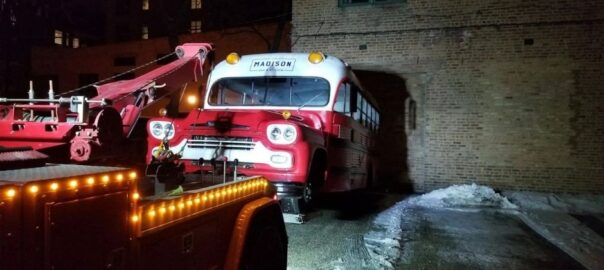
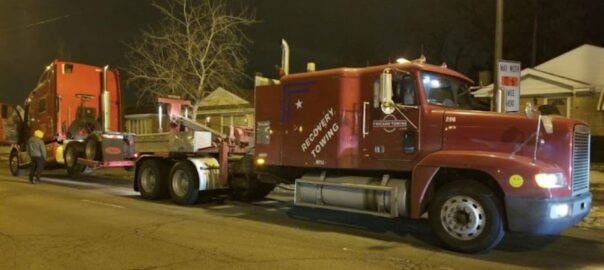
    One of the most common uses of heavy-duty towing is the transportation or recovery of commercial vehicles. This includes semi-trucks, box trucks, delivery vans, garbage trucks, and even buses. These vehicles often exceed the weight limit of standard tow trucks and require larger equipment with greater towing capacity.

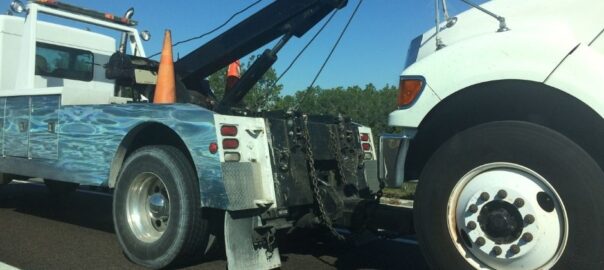
    For example, a fully loaded tractor-trailer can weigh up to 80,000 pounds. Heavy-duty tow trucks are designed with extended booms, reinforced frames, and powerful winches to lift and move these vehicles safely, whether they’ve broken down on a highway or need to be relocated after an accident.

    Construction and Industrial Equipment

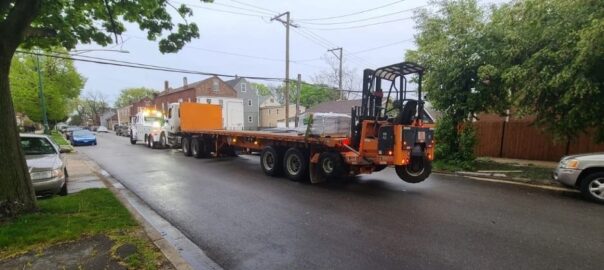
    Heavy-duty towing services are also essential in the construction and industrial sectors. Equipment like bulldozers, backhoes, excavators, forklifts, and cranes can’t be transported using regular trailers or flatbeds. These machines often operate off-road or in rugged terrain, where breakdowns are more likely—and recovering them can be challenging.

    Specialized towing trucks with flatbed trailers, lowboys, or hydraulic lifts are used to transport these oversized items. Whether a piece of equipment needs to be hauled across a job site or from one location to another, heavy-duty towing ensures it’s moved efficiently and securely.

    Recreational and Specialized Vehicles

    In addition to industrial equipment, heavy-duty towing is used for oversized recreational or specialty vehicles such as RVs, motorhomes, limousines, and even food trucks. These vehicles are larger and heavier than standard cars, requiring specific towing tools and knowledge to avoid damage during transport.

    Some companies even provide towing for aircraft, military vehicles, or large boats. These unique jobs highlight the versatility and strength of heavy-duty towing services.

    From commercial trucks to massive machinery, heavy-duty towing provides the muscle and reliability needed to move oversized equipment safely. Understanding what can be hauled helps individuals and businesses know when to call in the experts—and ensure their valuable equipment gets where it needs to go.

    Share Button
  • Heavy-duty towing

    Heavy-Duty Towing for Construction Vehicles: What You Need to Know

    Construction sites rely on powerful, oversized machinery to complete demanding tasks. When that equipment breaks down or needs to be moved to a new site, it’s not a job for just any tow truck. Heavy-duty towing services are specifically designed to handle the size, weight, and complexity of construction vehicles, making them an essential part of the construction industry’s logistics and emergency support.

    What Types of Construction Vehicles Require Heavy-Duty Towing?

    Many pieces of construction equipment are simply too large and heavy for standard towing. Bulldozers, excavators, backhoes, loaders, and cranes are just a few examples of machinery that require specialized heavy-duty towing. These machines often weigh tens of thousands of pounds and have wide frames or attachments that make them difficult to transport without professional help.

    For instance, a large excavator can weigh upwards of 80,000 pounds, and safely moving it requires tow trucks with reinforced chassis, extended flatbeds, or lowboy trailers. Specialized equipment like winches, lifts, and hydraulic systems are also often necessary to ensure the vehicle is secured and transported without damage.

    How Heavy-Duty Towing Supports Construction Projects

    Beyond recovering broken-down machinery, heavy-duty towing plays a key role in logistics. Construction companies often need to relocate equipment between job sites. Using a professional towing service ensures this process is safe, efficient, and compliant with road regulations regarding oversized loads.

    Tow operators with experience in construction vehicle recovery understand how to balance, secure, and load each type of machinery properly. They’re trained to navigate difficult terrains—such as muddy, uneven job sites—and ensure minimal downtime for the construction team.

    Choosing the Right Towing Provider

    When it comes to construction vehicles, not all towing companies have the right tools or experience. It’s important to work with a provider that specializes in heavy-duty towing, is licensed and insured, and has a proven track record with commercial clients. Look for services that offer GPS tracking, timely response, and transparency in pricing.

    Planning ahead by building a relationship with a trusted towing company can save valuable time and prevent costly project delays.

    In the construction industry, equipment reliability is key—and when problems arise, heavy-duty towing is the reliable solution to keep your project on track.

    Share Button
  • Heavy-duty towing

    How Heavy-Duty Towing Handles Oversized Farm Machinery

    Modern farming relies on powerful and complex equipment to maximize productivity and efficiency. Tractors, combines, harvesters, and other oversized machinery are vital to daily agricultural operations—but when these machines break down or need to be transported, they require specialized handling. That’s where heavy-duty towing comes in. Designed to manage the size and weight of large farm equipment, this service ensures safe and effective transport across various terrains.

    Why Farm Machinery Needs Heavy-Duty Towing

    Farm equipment is often bulky, heavy, and uniquely shaped, making it unsuitable for standard towing services. A large combine, for instance, can weigh up to 30,000 pounds and span more than 15 feet wide. These dimensions demand powerful tow trucks with reinforced frames, winches, and lowboy or flatbed trailers that can handle the load.

    In many cases, farm machinery is also located in off-road or uneven terrain—fields, dirt paths, or remote farm roads—making access more difficult. Heavy-duty tow trucks are equipped with all-terrain capabilities to recover or transport equipment without causing additional damage or delays.

    Specialized Equipment and Safety Procedures

    To transport oversized farm machinery safely, heavy-duty towing companies use a range of specialized tools. Hydraulic lifts and winches help position the equipment securely, while tie-downs and custom trailers keep it stable during transport. Operators are trained in weight distribution, balance, and road safety regulations to avoid hazards such as tipping or shifting loads.

    Safety is a top priority, especially when navigating narrow rural roads or highways. Many companies will use escort vehicles or follow local transportation guidelines for oversized loads, ensuring legal and secure towing every step of the way.

    Choosing the Right Towing Partner for Agricultural Needs

    Not every towing company has the capability or experience to move farm equipment. When selecting a provider, look for one that offers heavy-duty towing with experience in agricultural machinery, appropriate insurance, and knowledge of local road and farm access conditions.

    Building a relationship with a trusted towing company can give farmers peace of mind when emergencies or transport needs arise. It ensures that equipment is handled properly—reducing the risk of damage, delays, or unexpected costs.

    In agriculture, time and tools are everything. With the support of professional heavy-duty towing, oversized farm machinery can be moved quickly and safely to keep operations running smoothly.

    Share Button
  • Heavy-duty towing

    The Role of Heavy-Duty Towing in Transporting Industrial Equipment

    Transporting industrial equipment is no small task. These machines are often massive, heavy, and uniquely designed for specific operations, making them difficult to move without specialized help. Heavy-duty towing plays a critical role in relocating or recovering industrial equipment safely, whether it’s a scheduled transport or an emergency breakdown.

    What Types of Industrial Equipment Require Heavy-Duty Towing?

    Industrial operations involve machinery that far exceeds the weight and size limits of standard towing. Equipment like generators, compressors, hydraulic lifts, boilers, factory machines, and even small-scale construction plants fall under this category. These items can weigh several tons and require careful handling to avoid damage during transport.

    For instance, relocating a 20,000-pound industrial generator from a facility to a job site involves more than just loading it on a trailer. It requires custom flatbeds, winches, hydraulic lifts, and a team experienced in securing oversized cargo. Heavy-duty towing companies are equipped with the tools and expertise necessary to move such loads safely and efficiently.

    Safety and Compliance in Industrial Equipment Transport

    Safety is paramount when transporting industrial machinery. A misstep can lead to costly damage, injuries, or road hazards. That’s why heavy-duty towing providers follow strict protocols for loading, securing, and transporting equipment. These include weight distribution checks, reinforced securing mechanisms, and compliance with Department of Transportation (DOT) regulations for oversized and overweight loads.

    Additionally, some transports may require permits, escort vehicles, or route planning to ensure the equipment avoids restricted areas or low-clearance bridges. Professional towing companies handle these logistics, ensuring compliance and minimizing delays.

    Benefits of Partnering with a Heavy-Duty Towing Provider

    Businesses that frequently move industrial equipment benefit from partnering with a trusted heavy-duty towing provider. These professionals not only ensure safe transport but also help reduce downtime by responding quickly in emergencies. Whether equipment needs to be relocated for a project or recovered after a mechanical failure, reliable towing support ensures operations resume as soon as possible.

    Heavy-duty towing providers also offer tracking, scheduled pickups, and custom hauling solutions tailored to specific types of machinery, offering peace of mind to business owners and project managers.

    In the industrial world, precision and timing matter. From careful handling to regulatory compliance, heavy-duty towing ensures that valuable machinery is moved safely and efficiently, keeping your business running without costly interruptions.

    Share Button