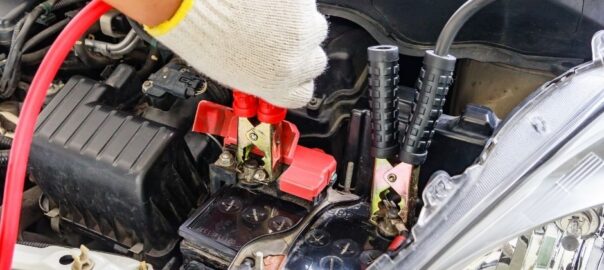
A dead battery can happen to anyone—whether you’re riding a motorcycle, driving an SUV, or heading out in your RV. In these moments, a quick vehicle jump start can be the difference between continuing your day or being stranded. But not all vehicles are created equal, and jump-starting one type of vehicle with another comes with unique considerations. Understanding how to safely jump start different types of vehicles is key to protecting both your battery and the other vehicle’s electrical system.
Jump Starting a Motorcycle: Is It Safe?
Yes, you can jump start a motorcycle using another vehicle, but it must be done with care. Motorcycles have smaller batteries than cars or trucks, and too much power can damage the electrical components. If you’re using a car battery, make sure the engine is turned off before connecting the jumper cables to avoid overpowering the motorcycle’s battery.
Connect the positive terminals first, then the negative to a grounded metal part on the bike—never directly to the battery. Let the battery charge for a minute before attempting to start the motorcycle. If successful, remove the cables in reverse order. If you’re unsure, consider using a portable jump starter designed for motorcycles.
Jump Starting an SUV: Similar to a Standard Car
Jump starting an SUV is generally the same process as with a standard vehicle, although some SUVs with larger engines may require more power. Most car-to-car jump starts work fine, but make sure both vehicles are turned off before connecting the cables. Always check the battery voltage—jump starting a 12-volt system with another 12-volt source is standard.
One tip: allow the donor vehicle to run for a few minutes after connecting the cables to deliver a stronger charge before trying to start the SUV.
Jump Starting an RV: Proceed With Caution
RV batteries can be either 12-volt (like most cars) or part of a dual-battery system. Jump starting an RV requires knowing whether you’re dealing with the chassis battery (which starts the engine) or the house battery (which powers lights and appliances). If jump starting the engine, a car or truck can often do the job, but it may take longer due to the battery size. For diesel RVs or larger models, you may need a professional jump start or a heavy-duty jump pack.
Always consult your RV’s manual to avoid damage to onboard electronics, and be cautious about jump starting lithium or AGM batteries, which may require specific procedures.
In conclusion, a vehicle jump start is possible across motorcycles, SUVs, and RVs—but only when done safely and with awareness of battery type, size, and system differences. When in doubt, use the right tools or call a professional to avoid costly mistakes.
