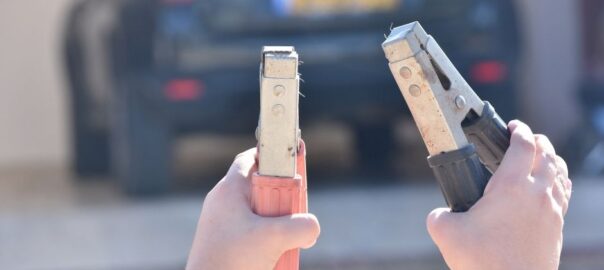
When faced with a dead battery, most drivers turn to a vehicle jump start as a quick and convenient solution. However, not all vehicles are built the same. Differences in make and model can impact how effective or even safe a jump start will be. Understanding these limits helps prevent damage to both your vehicle and the one providing the boost.
Battery Type and Electrical System Matter
The battery type and electrical system in your car play a big role in how it should be jump started. Traditional 12-volt batteries are standard in most vehicles, but newer models—especially hybrids and luxury brands—often come equipped with advanced battery systems or dual setups.
For example, a Toyota Prius uses a smaller auxiliary battery and a high-voltage hybrid battery. Jump-starting this vehicle incorrectly could cause electrical damage. Similarly, high-end models from BMW, Mercedes-Benz, or Audi may have sensitive electronics that require a jump start from a power-regulated booster pack, not another car.
Before attempting a jump start, always consult your owner’s manual. Some manufacturers outline specific procedures or advise against traditional jump starting altogether.
Make and Model Size Influences Power Needs
Larger vehicles like trucks, SUVs, and vans require more cranking power to start, especially in cold conditions. Jump-starting a Ford F-150 or a Chevy Suburban, for example, will demand more power than starting a compact car like a Honda Civic.
Additionally, smaller cars may not have enough battery capacity to safely jump start larger vehicles. Using a compact car to boost a heavy-duty truck can overload the smaller car’s electrical system, potentially damaging both vehicles.
A good rule of thumb is to match or exceed the size of the vehicle you’re jump starting when using another car, or opt for a portable jump starter with sufficient cold-cranking amps (CCA) for your vehicle class.
Protecting Your Vehicle’s Electronics
Modern vehicles are full of sensitive electronics, from advanced infotainment systems to engine control units (ECUs). A voltage surge from an improper jump start can fry expensive components. This risk is higher in newer models from brands like Tesla, Lexus, and Volvo.
To protect your vehicle, use properly rated jumper cables, connect them in the correct order, and avoid cheap or damaged cables that may cause inconsistent voltage flow. Alternatively, using a smart jump starter with surge protection is a safer bet, especially for newer models.
In conclusion, while a vehicle jump start is a helpful tool, it’s not one-size-fits-all. Knowing your vehicle’s limits based on its make and model can save you from costly mistakes and ensure a safe, effective restart when your battery runs flat.
