Category Archives: vehicle jump start

Vehicle jump start

When and Why a Vehicle Jump Start Is the Right Solution

There’s nothing more frustrating than turning your car key—or pushing the start button—only to hear a weak click or nothing at all. In many cases, a vehicle jump start can be a simple and effective fix. But how do you know when it’s the right solution? Understanding the symptoms of a dead battery and knowing when jump starting is appropriate can save you time, money, and stress.

Recognizing the Signs of a Dead Battery

The most common reason drivers need a jump start is a dead or weak battery. Common symptoms include dim headlights, no dashboard lights, slow engine cranking, or complete silence when trying to start the vehicle. These signs often occur after leaving headlights or interior lights on overnight or during extreme weather conditions.

If the battery is the issue, a jump start can provide enough power to get the engine running so the alternator can recharge it. This is especially useful if your battery is relatively new and the issue was a one-time drain.

However, if you’ve already needed multiple jump starts within a short period, the battery itself may be failing, or there could be a deeper electrical issue. In that case, a jump start might only be a temporary fix.

When a Jump Start May Not Be the Best Option

While a vehicle jump start is effective in many cases, it’s not a universal solution. If the car won’t start due to a bad alternator, faulty starter, blown fuse, or corroded battery terminals, a jump start won’t help. Also, if your battery is old and no longer holding a charge, you’ll need a replacement rather than a boost.

In some cases, jump starting can even be risky—especially with newer vehicles that contain sensitive electronics. Voltage spikes during an improper jump start could damage the onboard computer systems, leading to expensive repairs.

How to Safely Perform a Jump Start

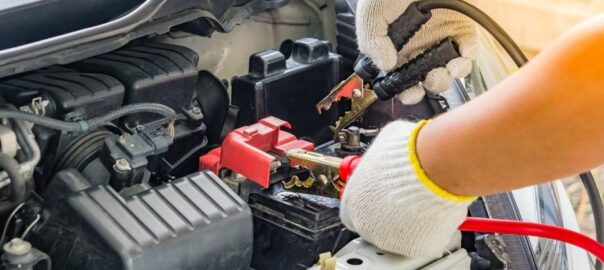
If you’ve confirmed the battery is the issue and you have access to jumper cables or a portable jump starter, proceed with caution. Park the donor vehicle close enough, turn off both vehicles, and connect the cables in the correct order: positive to positive, negative to a grounded metal surface (not the battery itself). Once connected, start the donor vehicle and let it run for a few minutes before trying to start your car.

After a successful jump, keep the engine running for at least 20 minutes or drive around to help the battery recharge. Be sure to get the battery tested soon afterward to determine if it needs replacement.

In summary, a vehicle jump start is the right solution when a dead battery is the clear culprit. Recognizing the warning signs, knowing when to use caution, and understanding proper jump-starting techniques can help you get back on the road safely and confidently.

Share Button
Vehicle jump start

Jump Starting Electric vs. Gas Vehicles: What You Need to Know

In an age where electric vehicles (EVs) are becoming more common, many drivers wonder how jump starting works across different vehicle types. While a vehicle jump start is a familiar fix for traditional gas-powered cars, the process and purpose differ significantly for EVs. Knowing the right approach for each type of vehicle can help you avoid damage and get back on the road safely.

Jump Starting a Gas Vehicle: A Common Practice

Gasoline-powered vehicles rely on a standard 12-volt battery to start the engine. When this battery is drained—due to leaving headlights on, extreme temperatures, or battery age—a jump start from another vehicle or a portable jump starter is usually enough to get things going.

The process involves connecting jumper cables from a working car’s battery to the dead one. After a few minutes, the charged battery should allow the engine to start. Once running, the alternator takes over and recharges the battery. This method has been a reliable roadside solution for decades and remains standard for most gas vehicles.

Jump Starting an Electric Vehicle: Proceed With Caution

Electric vehicles operate very differently. While they also contain a 12-volt battery used to power accessories and onboard systems, the motor runs on a high-voltage lithium-ion battery pack. If the 12-volt battery dies, the EV may not turn on—even though the main drive battery is fully charged.

You can jump start an electric vehicle’s 12-volt battery using a traditional method (with another car or jump starter), but you must never attempt to jump start from an EV. EVs are not designed to provide the necessary power for another vehicle and doing so could damage the EV’s systems.

Additionally, always refer to the manufacturer’s instructions before jump starting any EV, as some models have special procedures or built-in safety systems.

Safety Tips and Best Practices

Regardless of the vehicle type, proper technique is essential for a safe vehicle jump start. Use quality jumper cables, connect the cables in the correct order, and avoid touching the clamps together. For EVs, confirm that jump-starting is safe for your make and model and avoid using the high-voltage system.

If you’re unsure or uncomfortable jump starting a vehicle, call for professional roadside assistance to avoid injury or damage.

In conclusion, understanding the differences between jump starting electric and gas vehicles is essential in today’s evolving auto landscape. Whether you’re driving a sedan or an EV, knowing how to handle a vehicle jump start safely can save you from unexpected setbacks and costly mistakes.

Share Button
Vehicle jump start

Customer Service Matters: What to Expect from an Emergency Towing Company

When you’re stuck on the side of the road, whether due to an accident or something as simple as a dead battery requiring a vehicle jump start, the quality of customer service you receive can completely shape your experience. Emergency towing isn’t just about getting your vehicle from one place to another—it’s about how you’re treated in a moment of stress and uncertainty. That’s why good customer service is just as important as technical ability.

Fast, Friendly, and Clear Communication

The first impression of any emergency towing company often starts with the phone call. A professional company should answer promptly, speak respectfully, and ask the right questions to understand your situation clearly. They should give you accurate time estimates and confirm your location without confusion.

For example, if you’re in a parking lot with a vehicle that won’t start, a helpful dispatcher can walk you through the process and send a technician prepared to offer a vehicle jump start instead of automatically dispatching a tow truck. This shows attentiveness and problem-solving—key elements of excellent service.

Professionalism on the Scene

Once the tow truck arrives, the operator’s demeanor and knowledge make a huge difference. Courteous, uniformed professionals who explain what they’re doing and handle your vehicle with care help build trust. Certified operators know how to properly load, transport, or jump-start a variety of vehicles, reducing the risk of damage.

Good companies also come prepared. Whether you drive a compact car or an SUV, their equipment should be suited to your needs, and the operator should know how to use it. This level of preparation reflects a company that values customer safety and satisfaction.

Added Support and Follow-Up

Great emergency towing companies go beyond just towing. Many offer added services like helping you connect with a repair shop, working with your insurance provider, or checking in after the job is done. These small touches show a commitment to long-term customer care.

In the end, whether you’re in need of a full tow or just a vehicle jump start, choosing a company with strong customer service ensures a smoother, more reassuring experience when it matters most.Tools

Share Button
Vehicle jump start

Affordable vs. Premium Emergency Towing: What’s the Difference?

Whether you’re dealing with a flat tire, a breakdown, or need a quick vehicle jump start, emergency towing services are essential when things go wrong on the road. But with so many towing companies offering different price points, how do you know which type of service is right for you? Understanding the difference between affordable and premium emergency towing can help you choose the best option for your needs—and avoid added stress during an already difficult situation.

Affordable Emergency Towing: The Basics

Affordable emergency towing services focus on providing the essential help you need at a lower cost. These services typically include standard towing over short distances and may also offer basic roadside assistance, like a battery boost or tire change. While they are often a convenient choice for minor issues, there are limitations.

Budget-friendly towing companies might not operate 24/7, and their response times can vary depending on demand. Equipment used may be older, and operators may not always be certified. For example, if your car won’t start in a parking lot and only needs a quick vehicle jump start, an affordable service may be sufficient. However, if the situation becomes more complex, their resources may fall short.

Premium Emergency Towing: Going the Extra Mile

Premium towing services are designed for those who need fast, reliable, and comprehensive roadside support. These companies often offer 24/7 service, modern tow trucks, and highly trained, certified operators. In addition to towing, premium providers may include services like lockout assistance, fuel delivery, and long-distance transport.

What really sets premium towing apart is the attention to detail. Operators are trained to handle specialty vehicles—like electric cars, luxury models, or all-wheel-drive SUVs—without causing damage. You’ll often get faster response times, real-time tracking, and insurance coordination. This level of service offers peace of mind, especially in high-stress or high-value situations.

Making the Right Choice

Choosing between affordable and premium emergency towing depends on your specific circumstances. For simple issues like a vehicle jump start, an affordable option might work well. But for more complex situations or when you need higher-quality service, premium towing can save you time, money, and frustration in the long run.

In emergencies, knowing the difference between price and value ensures your vehicle—and your safety—gets the attention it deserves.

Share Button