There’s nothing more frustrating than turning your car key—or pushing the start button—only to hear a weak click or nothing at all. In many cases, a vehicle jump start can be a simple and effective fix. But how do you know when it’s the right solution? Understanding the symptoms of a dead battery and knowing when jump starting is appropriate can save you time, money, and stress.
Recognizing the Signs of a Dead Battery
The most common reason drivers need a jump start is a dead or weak battery. Common symptoms include dim headlights, no dashboard lights, slow engine cranking, or complete silence when trying to start the vehicle. These signs often occur after leaving headlights or interior lights on overnight or during extreme weather conditions.
If the battery is the issue, a jump start can provide enough power to get the engine running so the alternator can recharge it. This is especially useful if your battery is relatively new and the issue was a one-time drain.
However, if you’ve already needed multiple jump starts within a short period, the battery itself may be failing, or there could be a deeper electrical issue. In that case, a jump start might only be a temporary fix.
When a Jump Start May Not Be the Best Option
While a vehicle jump start is effective in many cases, it’s not a universal solution. If the car won’t start due to a bad alternator, faulty starter, blown fuse, or corroded battery terminals, a jump start won’t help. Also, if your battery is old and no longer holding a charge, you’ll need a replacement rather than a boost.
In some cases, jump starting can even be risky—especially with newer vehicles that contain sensitive electronics. Voltage spikes during an improper jump start could damage the onboard computer systems, leading to expensive repairs.
How to Safely Perform a Jump Start
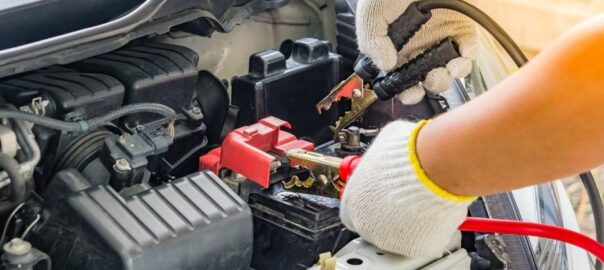
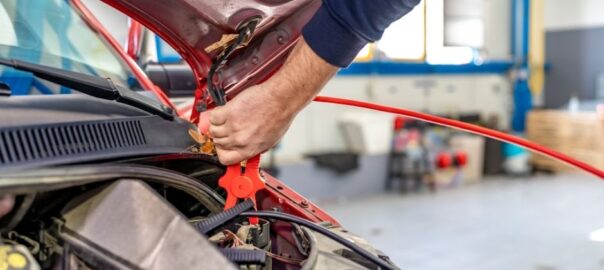
If you’ve confirmed the battery is the issue and you have access to jumper cables or a portable jump starter, proceed with caution. Park the donor vehicle close enough, turn off both vehicles, and connect the cables in the correct order: positive to positive, negative to a grounded metal surface (not the battery itself). Once connected, start the donor vehicle and let it run for a few minutes before trying to start your car.
After a successful jump, keep the engine running for at least 20 minutes or drive around to help the battery recharge. Be sure to get the battery tested soon afterward to determine if it needs replacement.
In summary, a vehicle jump start is the right solution when a dead battery is the clear culprit. Recognizing the warning signs, knowing when to use caution, and understanding proper jump-starting techniques can help you get back on the road safely and confidently.