Tag Archives: Roadside Assistance

Vehicle jump start

Understanding Vehicle Jump Start Limits by Make and Model

When faced with a dead battery, most drivers turn to a vehicle jump start as a quick and convenient solution. However, not all vehicles are built the same. Differences in make and model can impact how effective or even safe a jump start will be. Understanding these limits helps prevent damage to both your vehicle and the one providing the boost.

Battery Type and Electrical System Matter

The battery type and electrical system in your car play a big role in how it should be jump started. Traditional 12-volt batteries are standard in most vehicles, but newer models—especially hybrids and luxury brands—often come equipped with advanced battery systems or dual setups.

For example, a Toyota Prius uses a smaller auxiliary battery and a high-voltage hybrid battery. Jump-starting this vehicle incorrectly could cause electrical damage. Similarly, high-end models from BMW, Mercedes-Benz, or Audi may have sensitive electronics that require a jump start from a power-regulated booster pack, not another car.

Before attempting a jump start, always consult your owner’s manual. Some manufacturers outline specific procedures or advise against traditional jump starting altogether.

Make and Model Size Influences Power Needs

Larger vehicles like trucks, SUVs, and vans require more cranking power to start, especially in cold conditions. Jump-starting a Ford F-150 or a Chevy Suburban, for example, will demand more power than starting a compact car like a Honda Civic.

Additionally, smaller cars may not have enough battery capacity to safely jump start larger vehicles. Using a compact car to boost a heavy-duty truck can overload the smaller car’s electrical system, potentially damaging both vehicles.

A good rule of thumb is to match or exceed the size of the vehicle you’re jump starting when using another car, or opt for a portable jump starter with sufficient cold-cranking amps (CCA) for your vehicle class.

Protecting Your Vehicle’s Electronics

Modern vehicles are full of sensitive electronics, from advanced infotainment systems to engine control units (ECUs). A voltage surge from an improper jump start can fry expensive components. This risk is higher in newer models from brands like Tesla, Lexus, and Volvo.

To protect your vehicle, use properly rated jumper cables, connect them in the correct order, and avoid cheap or damaged cables that may cause inconsistent voltage flow. Alternatively, using a smart jump starter with surge protection is a safer bet, especially for newer models.

In conclusion, while a vehicle jump start is a helpful tool, it’s not one-size-fits-all. Knowing your vehicle’s limits based on its make and model can save you from costly mistakes and ensure a safe, effective restart when your battery runs flat.

Share Button
Vehicle jump start

When and Why a Vehicle Jump Start Is the Right Solution

There’s nothing more frustrating than turning your car key—or pushing the start button—only to hear a weak click or nothing at all. In many cases, a vehicle jump start can be a simple and effective fix. But how do you know when it’s the right solution? Understanding the symptoms of a dead battery and knowing when jump starting is appropriate can save you time, money, and stress.

Recognizing the Signs of a Dead Battery

The most common reason drivers need a jump start is a dead or weak battery. Common symptoms include dim headlights, no dashboard lights, slow engine cranking, or complete silence when trying to start the vehicle. These signs often occur after leaving headlights or interior lights on overnight or during extreme weather conditions.

If the battery is the issue, a jump start can provide enough power to get the engine running so the alternator can recharge it. This is especially useful if your battery is relatively new and the issue was a one-time drain.

However, if you’ve already needed multiple jump starts within a short period, the battery itself may be failing, or there could be a deeper electrical issue. In that case, a jump start might only be a temporary fix.

When a Jump Start May Not Be the Best Option

While a vehicle jump start is effective in many cases, it’s not a universal solution. If the car won’t start due to a bad alternator, faulty starter, blown fuse, or corroded battery terminals, a jump start won’t help. Also, if your battery is old and no longer holding a charge, you’ll need a replacement rather than a boost.

In some cases, jump starting can even be risky—especially with newer vehicles that contain sensitive electronics. Voltage spikes during an improper jump start could damage the onboard computer systems, leading to expensive repairs.

How to Safely Perform a Jump Start

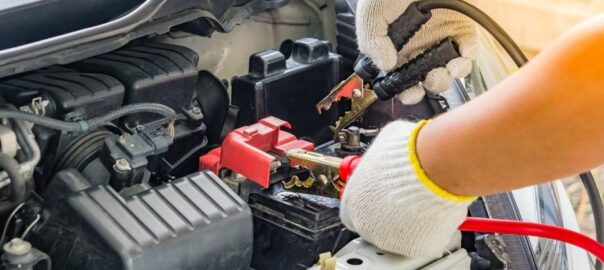
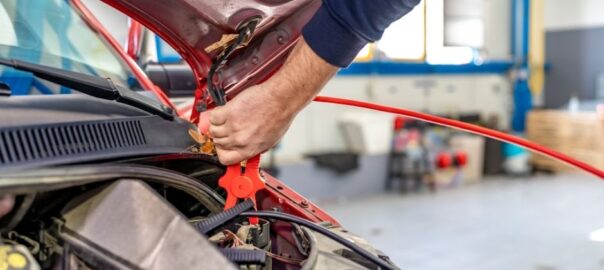
If you’ve confirmed the battery is the issue and you have access to jumper cables or a portable jump starter, proceed with caution. Park the donor vehicle close enough, turn off both vehicles, and connect the cables in the correct order: positive to positive, negative to a grounded metal surface (not the battery itself). Once connected, start the donor vehicle and let it run for a few minutes before trying to start your car.

After a successful jump, keep the engine running for at least 20 minutes or drive around to help the battery recharge. Be sure to get the battery tested soon afterward to determine if it needs replacement.

In summary, a vehicle jump start is the right solution when a dead battery is the clear culprit. Recognizing the warning signs, knowing when to use caution, and understanding proper jump-starting techniques can help you get back on the road safely and confidently.

Share Button
Vehicle jump start

Jump Starting Electric vs. Gas Vehicles: What You Need to Know

In an age where electric vehicles (EVs) are becoming more common, many drivers wonder how jump starting works across different vehicle types. While a vehicle jump start is a familiar fix for traditional gas-powered cars, the process and purpose differ significantly for EVs. Knowing the right approach for each type of vehicle can help you avoid damage and get back on the road safely.

Jump Starting a Gas Vehicle: A Common Practice

Gasoline-powered vehicles rely on a standard 12-volt battery to start the engine. When this battery is drained—due to leaving headlights on, extreme temperatures, or battery age—a jump start from another vehicle or a portable jump starter is usually enough to get things going.

The process involves connecting jumper cables from a working car’s battery to the dead one. After a few minutes, the charged battery should allow the engine to start. Once running, the alternator takes over and recharges the battery. This method has been a reliable roadside solution for decades and remains standard for most gas vehicles.

Jump Starting an Electric Vehicle: Proceed With Caution

Electric vehicles operate very differently. While they also contain a 12-volt battery used to power accessories and onboard systems, the motor runs on a high-voltage lithium-ion battery pack. If the 12-volt battery dies, the EV may not turn on—even though the main drive battery is fully charged.

You can jump start an electric vehicle’s 12-volt battery using a traditional method (with another car or jump starter), but you must never attempt to jump start from an EV. EVs are not designed to provide the necessary power for another vehicle and doing so could damage the EV’s systems.

Additionally, always refer to the manufacturer’s instructions before jump starting any EV, as some models have special procedures or built-in safety systems.

Safety Tips and Best Practices

Regardless of the vehicle type, proper technique is essential for a safe vehicle jump start. Use quality jumper cables, connect the cables in the correct order, and avoid touching the clamps together. For EVs, confirm that jump-starting is safe for your make and model and avoid using the high-voltage system.

If you’re unsure or uncomfortable jump starting a vehicle, call for professional roadside assistance to avoid injury or damage.

In conclusion, understanding the differences between jump starting electric and gas vehicles is essential in today’s evolving auto landscape. Whether you’re driving a sedan or an EV, knowing how to handle a vehicle jump start safely can save you from unexpected setbacks and costly mistakes.

Share Button
Emergency towing

Customer Service Matters: What to Expect from an Emergency Towing Company

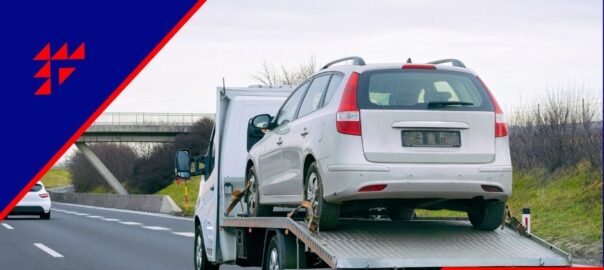
When you’re stranded on the road due to a breakdown or accident, every minute feels longer—and that’s when customer service from an emergency towing company makes all the difference. Beyond just towing your vehicle, a company’s responsiveness, professionalism, and communication can significantly impact your overall experience during a stressful situation.

Clear Communication and Quick Response

A reliable emergency towing company should offer fast and clear communication from the first call. Dispatchers must provide accurate wait times, confirm your location, and clearly explain what to expect. Whether you’re stuck in traffic or pulled over on a quiet road at night, knowing when help is arriving eases stress and builds trust.

For example, premium services often send real-time updates and arrival estimates via text or app, letting customers track the tow truck’s progress. This transparency shows a commitment to keeping you informed and safe.

Professional and Courteous Operators

The tow truck operator is the face of the company—and their behavior matters. A skilled driver should arrive on time, in uniform, and treat both you and your vehicle with respect. From greeting you calmly to explaining the towing process, professionalism helps turn a tense moment into a manageable one.

Many top-rated emergency towing companies also train staff in customer service etiquette, ensuring they know how to de-escalate stressful situations and handle emergencies with compassion.

Going Beyond the Tow

Great customer service includes more than just transporting your car. Many companies offer extras like jump-starts, tire changes, lockout assistance, and even help contacting insurance providers. Some also follow up after service to ensure your experience was satisfactory.

These added touches show a focus on long-term customer relationships—not just completing a single transaction.

Choosing an emergency towing company with excellent customer service means getting support when you need it most—delivered with professionalism, speed, and care. In roadside emergencies, how you’re treated is just as important as the service itself.

Share Button